
Bitcoin Mining Rebounds After Difficulty Cut: What ASIC Miners Should Know
The Bitcoin mining industry has received some welcome news this week. Following slower block production and a decline in network hashrate, the Bitcoin network completed a 5% difficulty reduction on July 11, lowering mining difficulty from 133.87 trillion to 127.17 trillion. This is one of the more significant downward adjustments of 2026 and provides temporary relief for active miners.
A lower mining difficulty means miners need slightly less computational effort to discover new blocks. While this doesn’t guarantee higher profits, it can improve revenue potential, especially for operations running efficient ASIC miners with competitive electricity rates.
At AsicProfit, miners can compare ASIC hardware, calculate electricity costs, and estimate ROI using current mining conditions before making investment decisions.
What Changed in the Bitcoin Network?
Bitcoin automatically adjusts its mining difficulty approximately every two weeks to maintain an average block time of about 10 minutes.
The latest adjustment occurred after the network experienced a decline in hashrate. According to recent mining reports:
- Mining difficulty fell 5% to 127.17T
- The seven-day average hashrate declined to around 908–930 EH/s
- Average block times slowed before the adjustment
- The next projected adjustment is currently expected to be a modest increase if hashrate recovers.
These changes indicate that some miners temporarily left the network, allowing the protocol to rebalance mining conditions.
Hashprice Is Recovering
Another encouraging signal is the recent improvement in hashprice.
Hashprice measures the estimated daily mining revenue generated per petahash of computing power. After reaching lower levels earlier this year, hashprice has recovered to approximately $31.1 per PH/s/day, representing a noticeable improvement following the difficulty reduction. However, it still remains well below the highs seen in late 2025.
While this recovery is positive, miners should remember that hashprice changes alongside Bitcoin price, transaction fees, network hashrate, and mining difficulty.
Which ASIC Miners Benefit Most?
Not every ASIC miner benefits equally from improved mining conditions. Efficient hardware continues to have the strongest advantage.
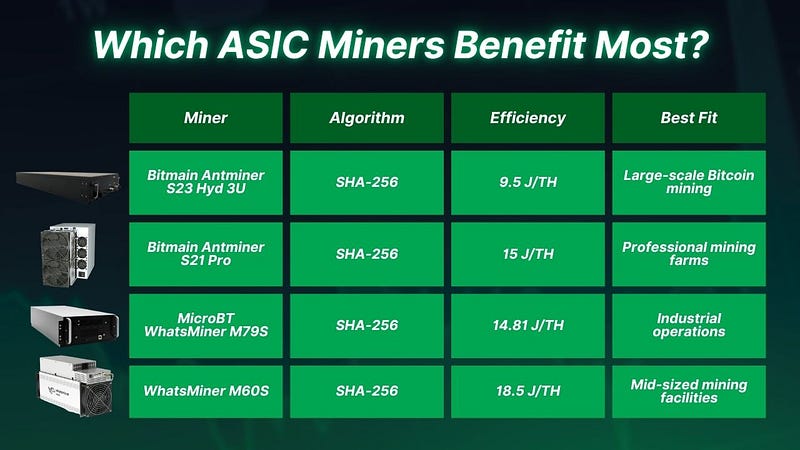
Modern ASIC miners with lower J/TH ratings can usually take better advantage of improving network conditions because they generate more hashpower while consuming less electricity.
Compare ASIC miners here:
Electricity Still Determines Long-Term Profit
A lower difficulty adjustment does not eliminate operating expenses.
Electricity remains the largest recurring cost for most mining operations.
For example, consider a WhatsMiner M60S (3,441 W) running continuously:
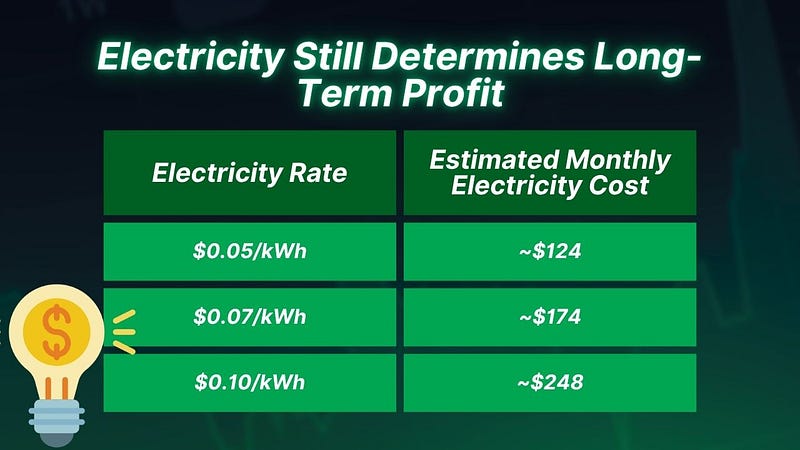
Even with improved mining conditions, operators paying higher electricity rates will continue to see tighter profit margins than miners with access to low-cost energy.
Calculate your expected mining costs here:
https://asicprofit.com/calculator
What Should Miners Watch Next?
Although the latest difficulty adjustment offers short-term relief, miners should continue monitoring several key indicators.
- Bitcoin price movement
- Network hashrate recovery
- Upcoming difficulty adjustment
- Hashprice trends
- Electricity costs
- ASIC efficiency
- Pool performance
The current estimate suggests the next difficulty adjustment could move slightly higher if hashrate continues recovering over the next mining epoch.
What Does This Mean for New Miners?
For miners considering their first ASIC purchase, today’s environment highlights the importance of choosing efficient hardware rather than focusing only on maximum hashrate.
A lower difficulty adjustment may improve earning potential, but long-term profitability still depends on:
- Efficient ASIC hardware
- Affordable electricity
- Stable uptime
- Proper cooling
- Accurate ROI calculations
These factors often have a greater impact on mining success than short-term market fluctuations.
Final Thoughts
The recent 5% Bitcoin difficulty reduction is a positive development for the mining industry, providing temporary relief after weeks of tighter conditions. Combined with a modest recovery in hashprice, efficient mining operations may see stronger profitability than they did earlier this month.
However, mining remains a business driven by operational efficiency. Electricity costs, hardware performance, and careful ROI planning continue to separate profitable miners from unprofitable ones.
Before purchasing new hardware or expanding your mining operation, use AsicProfit to compare ASIC miners, estimate electricity costs, and calculate profitability using current network data.
Calculate your ROI now: https://asicprofit.com
#AsicProfit #BitcoinMining #ASICMining #Asicminer
Stay Connected
🎥 YouTube