
Bitcoin mining is facing another pressure point this week. Network difficulty remains high, hashrate has been volatile, and miner revenue has dropped sharply compared with the previous reporting period.
Recent mining data shows Bitcoin hashrate near 995 EH/s, difficulty around 139 T, and weekly miner revenue down about 29% to roughly $202.1 million. That combination tells a clear story: the network remains highly competitive, but miners are earning less revenue from the same work.
For ASIC miners, this is the kind of market where efficiency, electricity cost, and ROI planning matter more than ever.
Why Higher Difficulty Hurts Miner Revenue
Mining difficulty controls how hard it is to find a Bitcoin block. When difficulty rises, miners need more computing power to earn the same share of rewards.
This does not affect all miners equally. Large operations with efficient machines and low electricity rates can often continue operating. But older ASIC miners, home setups, and miners paying higher power rates usually feel the pressure first.
A recent report also noted miner revenue falling from around $252 million to $202.1 million week over week, while difficulty moved from about 136.6 T to 138.96 T.
What This Means for ASIC Miners
Higher difficulty and lower revenue usually create tighter margins. That means miners need to check whether their machines are still worth running.
The biggest questions right now are simple:
Is your electricity rate low enough?
Is your ASIC efficient enough?
Is your uptime stable?
Is your ROI still realistic?
If the answer is unclear, guessing is risky.
Electricity Cost Is the First Number to Check
Electricity remains the largest ongoing cost for ASIC miners. A 5.5 kW miner running 24/7 uses about 132 kWh per day.
At $0.06/kWh, that miner costs around $238 per month to run. At $0.10/kWh, the same miner costs about $396 per month. That is nearly $1,900 more per year for one machine.
When miner revenue drops, that electricity difference becomes even more important.
Calculate your mining cost here:
https://asicprofit.com/calculator
Efficient Miners Have the Advantage
In a lower-revenue environment, efficient ASIC miners survive longer.
A miner below 10 J/TH has a much better chance of staying profitable than an older unit above 30 J/TH. The older machine may still generate revenue, but after power costs, the real profit can shrink fast.
This is why miners should compare efficiency before buying or upgrading.
Compare ASIC miners here:
https://asicprofit.com/miners
Sample ASIC Miner Comparison Under Current Conditions
Not all ASIC miners are affected equally when mining difficulty rises and revenue falls. Efficient hardware generally has a better chance of staying profitable because it produces more hash power while consuming less electricity.
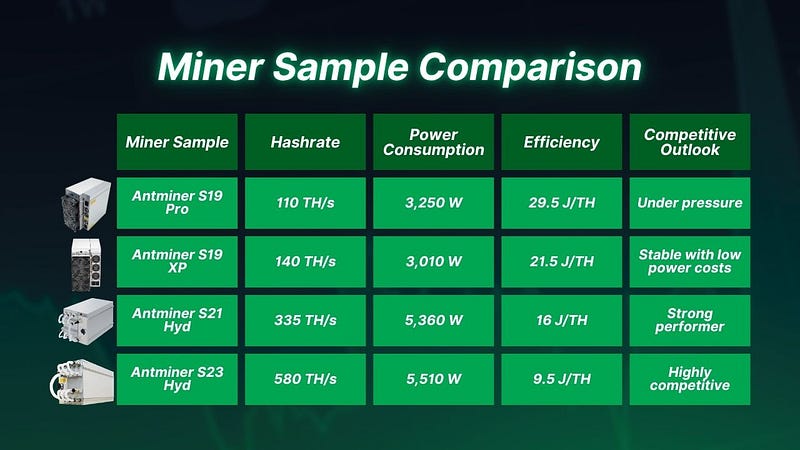
The difference between these machines becomes more noticeable when network difficulty increases. Older miners such as the S19 Pro can still generate revenue, but profitability becomes increasingly dependent on cheap electricity. Meanwhile, newer-generation miners like the S21 Hyd and S23 Hyd maintain stronger margins because they deliver significantly better efficiency.
Monthly Electricity Cost Example
Assuming a miner runs continuously and electricity costs $0.06/kWh:
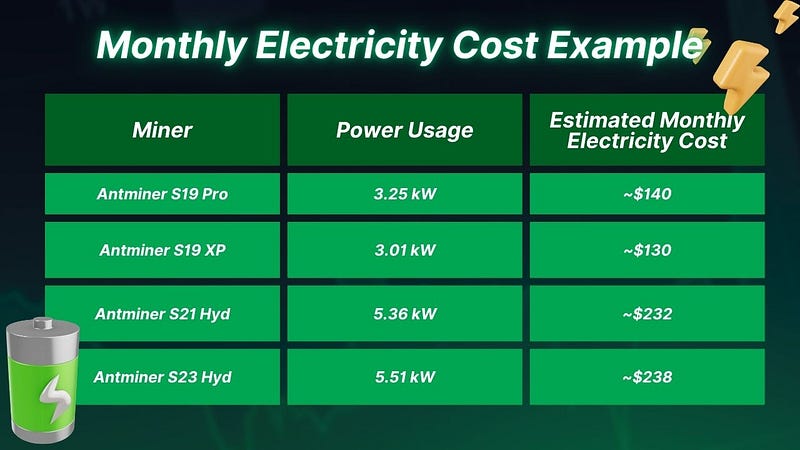
While larger miners consume more power, they also produce significantly more hashrate. This is why miners should focus on efficiency and ROI rather than electricity usage alone.
Profitability Risk Level This Week
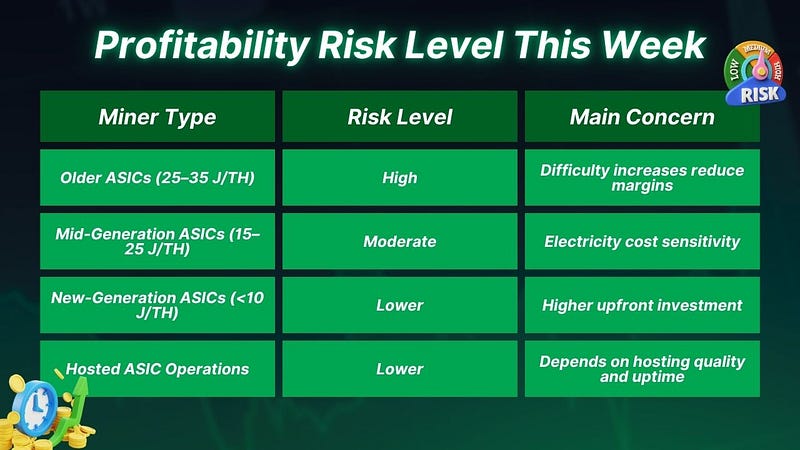
As mining difficulty rises and miner revenue remains under pressure, the gap between efficient and inefficient hardware continues to widen. For many miners, reviewing hardware performance may be more important than simply adding more machines.
Hashprice Pressure Is Another Warning Signal
Hashprice measures expected mining revenue per unit of hashrate. When hashprice falls, miners earn less for the same computing power.
Recent reports have shown hashprice dropping to low levels, with some estimates around the high-$20s per PH/s/day during the recent squeeze. That kind of environment can force high-cost miners to shut off less efficient machines.
This does not mean mining is dead. It means weaker setups are under pressure.
What Miners Should Do This Week
Miners should recalculate profitability instead of relying on old numbers. Check electricity rate, miner efficiency, actual uptime, pool performance, and current Bitcoin market conditions.
If margins are thin, it may be better to optimize settings, improve cooling, switch locations, or pause inefficient machines instead of running at a loss.
Conclusion
Higher mining difficulty and lower miner revenue are a reminder that ASIC mining is not just about owning hardware. It is about running the right hardware under the right cost structure.
The miners best positioned right now are the ones using efficient ASICs, low electricity rates, stable uptime, and updated profitability calculations.
Before buying, upgrading, or continuing to run an older machine, use AsicProfit to compare miners and calculate ROI.
Calculate your ROI now at https://asicprofit.com
#AsicProfit #BitcoinMining #ASICMining #Asicminer
Stay Connected
🎥 YouTube