


















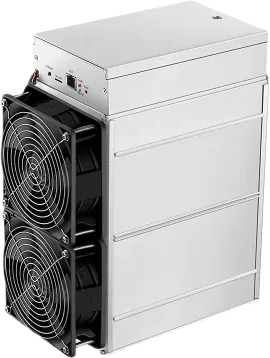
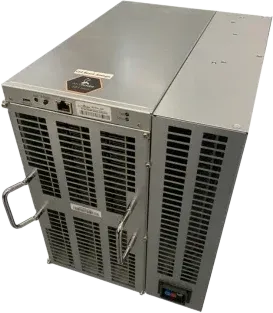
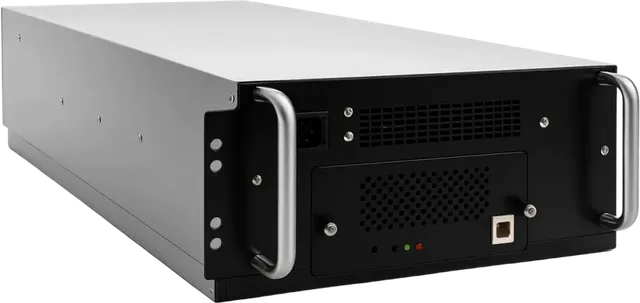





 FB
 BC2
 BCH
 BSV
 DGB
 VTC
 GRS
 XEC
 ETHW
 HNS
 LKY
 DINGO
 LBC
 SC
 RXD
CPU Mining in 2026: The Last Place Your Own Computer Can Still Mine
Bitcoin belongs to ASICs and GPUs lost Ethereum, but a processor still mines Monero on equal terms. What CPUs earn today, why old server chips beat new gaming ones, and how to start in 20 minutes.

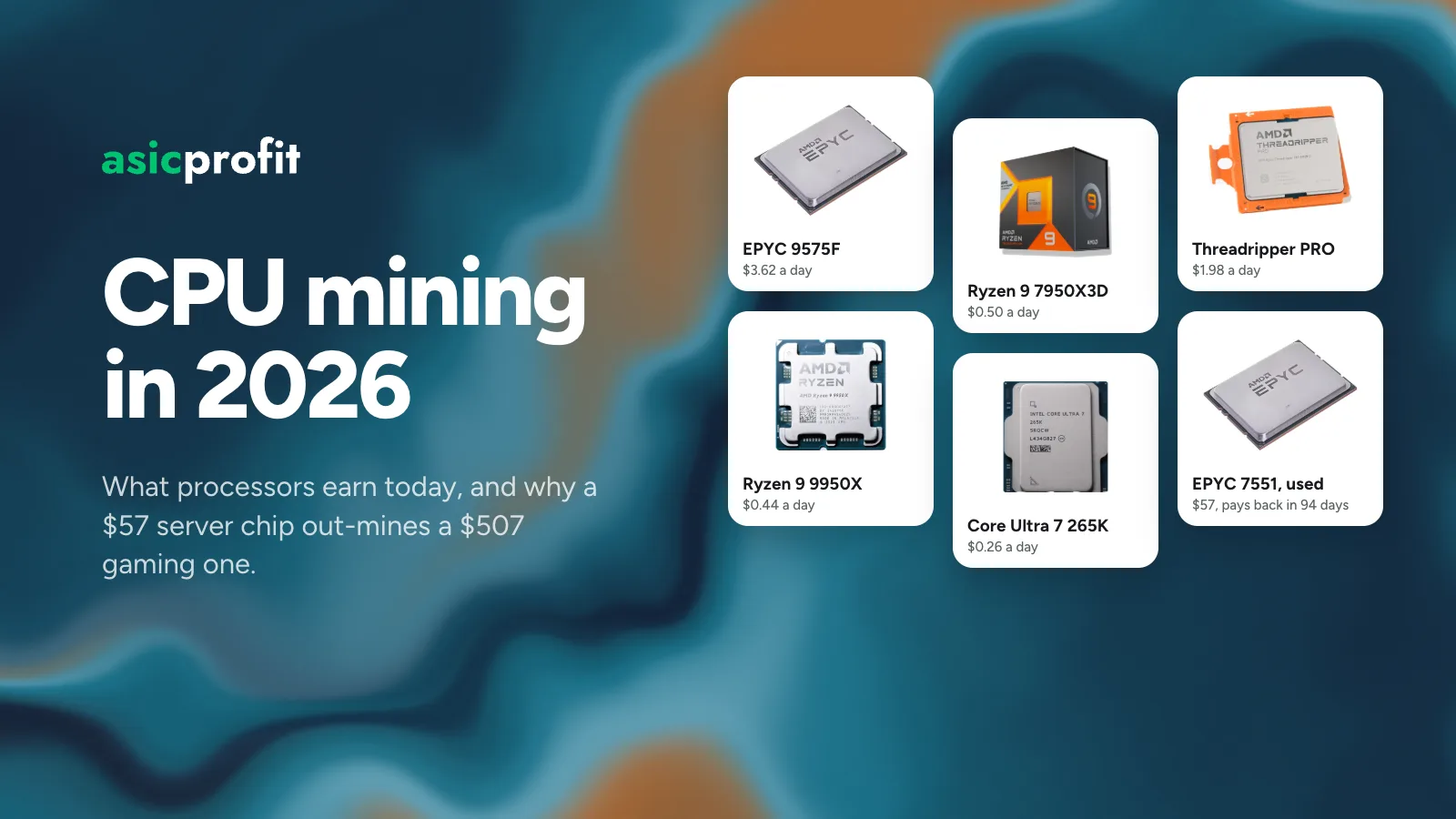
CPU mining still works in 2026 because Monero's RandomX algorithm was built so that only general-purpose processors mine it well: even the RandomX ASIC uses twice the power per hash of a good server CPU. On 27 Nov 2026 AsicProfit tracks 318 processors and 287 of them make a profit at $0.05/kWh. A gaming chip like the Ryzen 9 9950X clears about $0.44 a day; the best server chip, the EPYC 9575F, about $3.62. The best value is used server hardware: an EPYC 7551 at $57 earns back its price in about 94 days. Cache size matters more than clock speed, and huge pages add the biggest free speed-up.
Can you still mine crypto with a CPU in 2026?
Yes. A CPU is still a real mining machine in 2026, on one family of coins: those built on RandomX, led by Monero (XMR). Bitcoin went to ASICs a decade ago and graphics cards lost their biggest coin when Ethereum stopped mining in 2022, but Monero was designed so that the processor in an ordinary computer stays competitive. On 27 Nov 2026 AsicProfit tracks 318 desktop, workstation and server processors, and 287 of them earn more than they spend on power at $0.05/kWh.
That makes CPU mining the last kind of mining where the computer on your desk plays the same game as the biggest farms. Nobody has a secret machine that is a hundred times faster than yours.
Why can't ASICs take over CPU mining?
ASICs can't take over because RandomX makes the miner run random programs, and the best chip for running random programs is a CPU. Each hash, RandomX writes a new small program, executes it on a virtual machine, and reads from a 2 GB block of memory along the way (RandomX design). To do that fast you need what a modern processor already has: branch prediction, floating-point units, big caches and a fast memory controller. Build a chip with all of that and you have built a CPU.
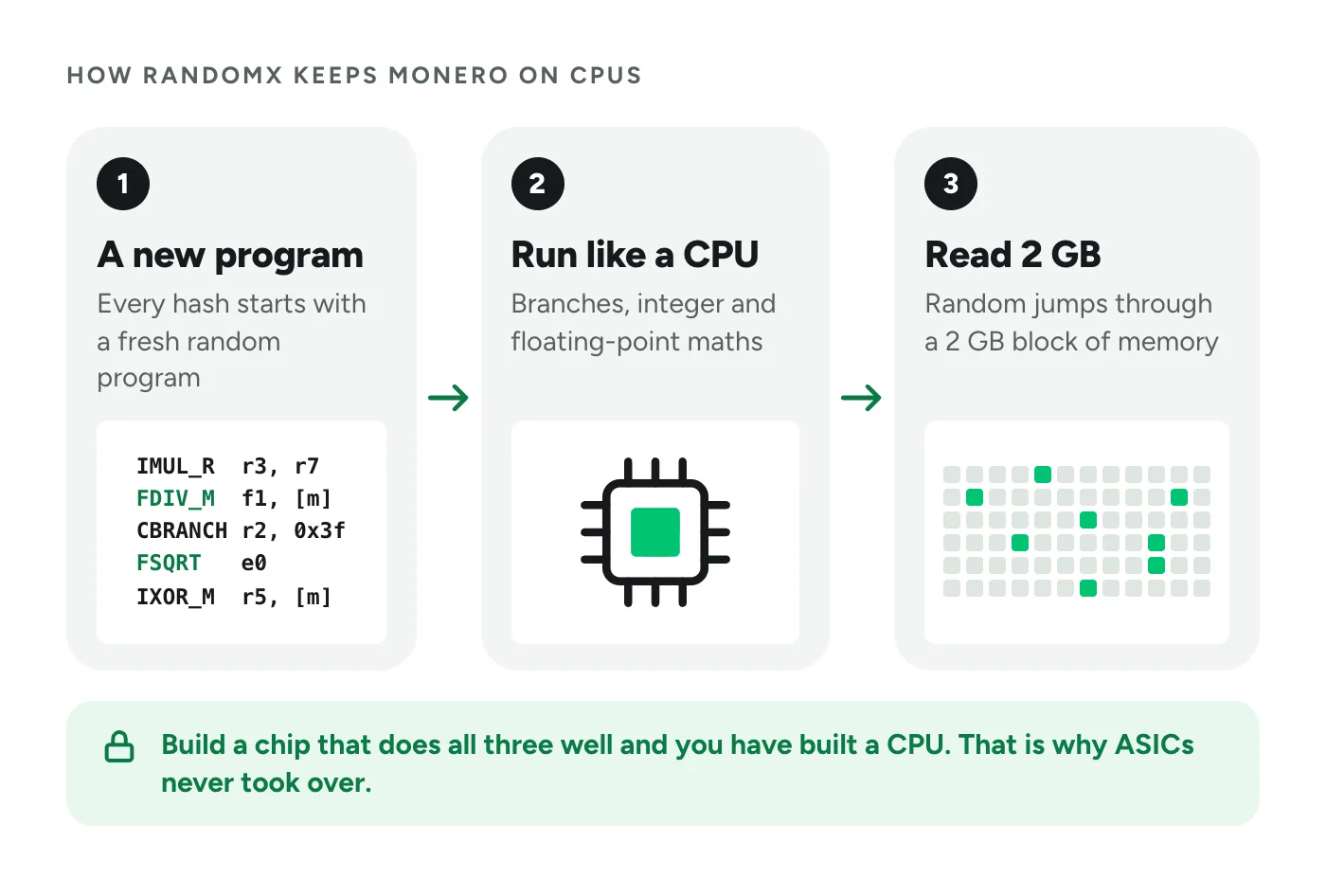
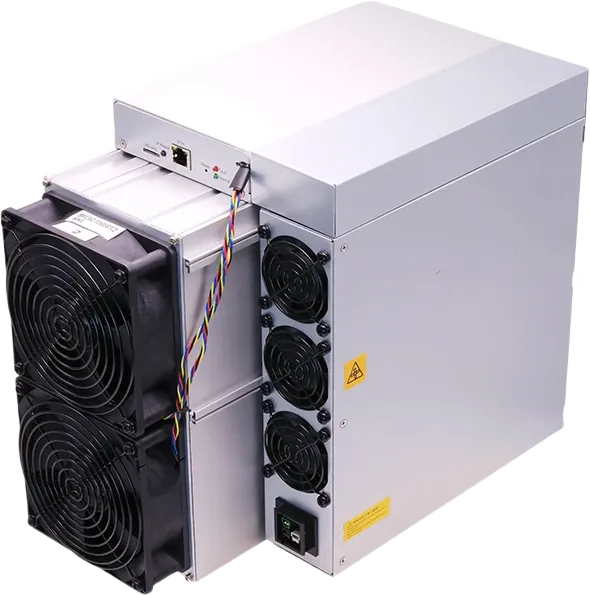
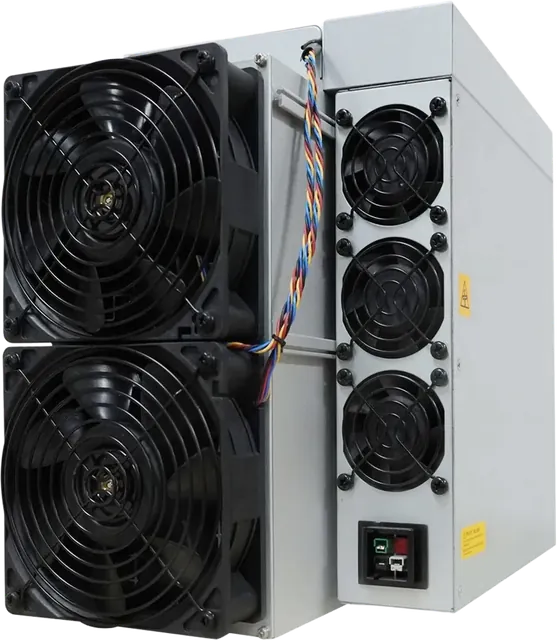
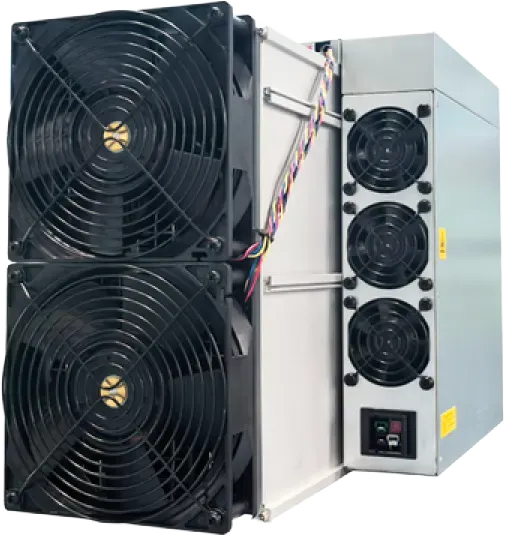
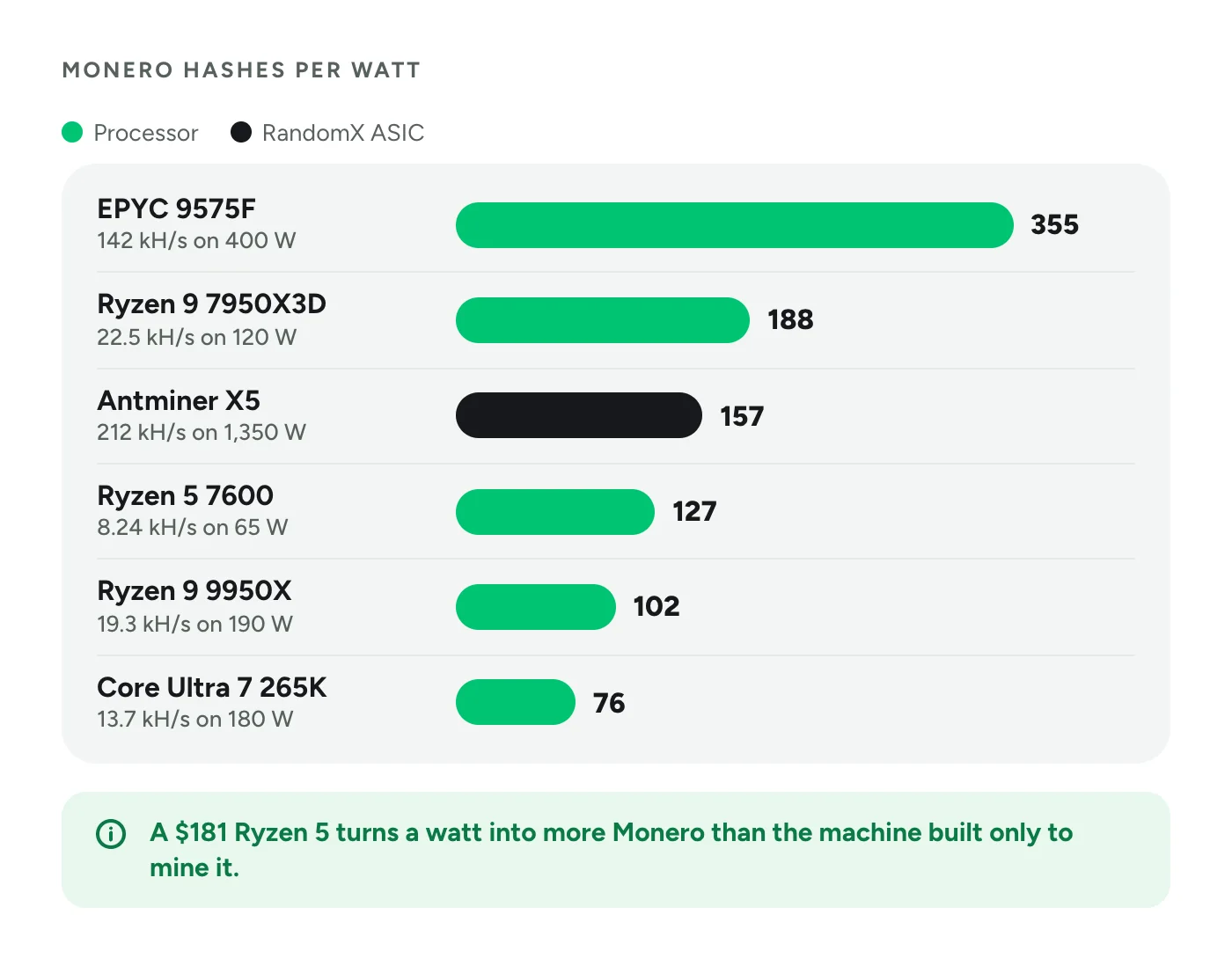
Monero switched to RandomX on 30 November 2019. RandomX ASICs do exist now, but they lose where it counts: the Bitmain Antminer X5 does 212 kH/s on 1,350 W, about 157 hashes per watt, while the EPYC 9575F does 142 kH/s on 400 W, about 355. A good processor mines Monero on more than twice the efficiency of the machine built for it. That is the whole reason this guide exists.
How much does CPU mining earn?
A CPU earns somewhere between a few cents and a few dollars a day, and how much depends far more on the chip class than on the brand. These are live figures from AsicProfit on 27 Nov 2026 at $0.05/kWh, with the lowest shop price we list, from a 64-core server chip down to a six-core desktop one:
| Processor | Hashrate | Profit a day | Price |
|---|---|---|---|
| EPYC 9575F | 142 kH/s | $3.62 | $4,917 |
| Threadripper PRO 9995WX | 83.4 kH/s | $1.98 | $13,747 |
| Ryzen 9 7950X3D | 22.5 kH/s | $0.50 | $784 |
| Ryzen 9 9950X | 19.3 kH/s | $0.44 | $507 |
| Core Ultra 7 265K | 13.7 kH/s | $0.26 | $319 |
| Ryzen 5 7600 | 8.24 kH/s | $0.16 | $181 |
For the top chip the split looks like this: $4.03 a day of Monero, minus $0.48 of electricity (9.6 kWh a day). It stays profitable up to $0.42/kWh, and Monero would have to fall 88% before it stopped paying for its power.
The honest reading for a home PC: a gaming desktop that is already switched on makes $5 to $15 a month. That's a fun way to collect Monero, not a business. The money is in the next section.
Why are old server CPUs the best deal in CPU mining?
Old server CPUs are the best deal because data centres retire them by the thousand, so they sell for a small part of their original price while still having 32 or 64 cores and a lot of cache. On AsicProfit's list the shortest paybacks all belong to used AMD EPYC chips from 2017 to 2021:
| Processor | Profit a day | Price | Payback (days) |
|---|---|---|---|
| EPYC 7551 | $0.61 | $57 | 94 |
| EPYC 7532 | $0.66 | $200 | 302 |
| EPYC 7501 | $0.79 | $245 | 310 |
| EPYC 7413 | $0.94 | $400 | 427 |
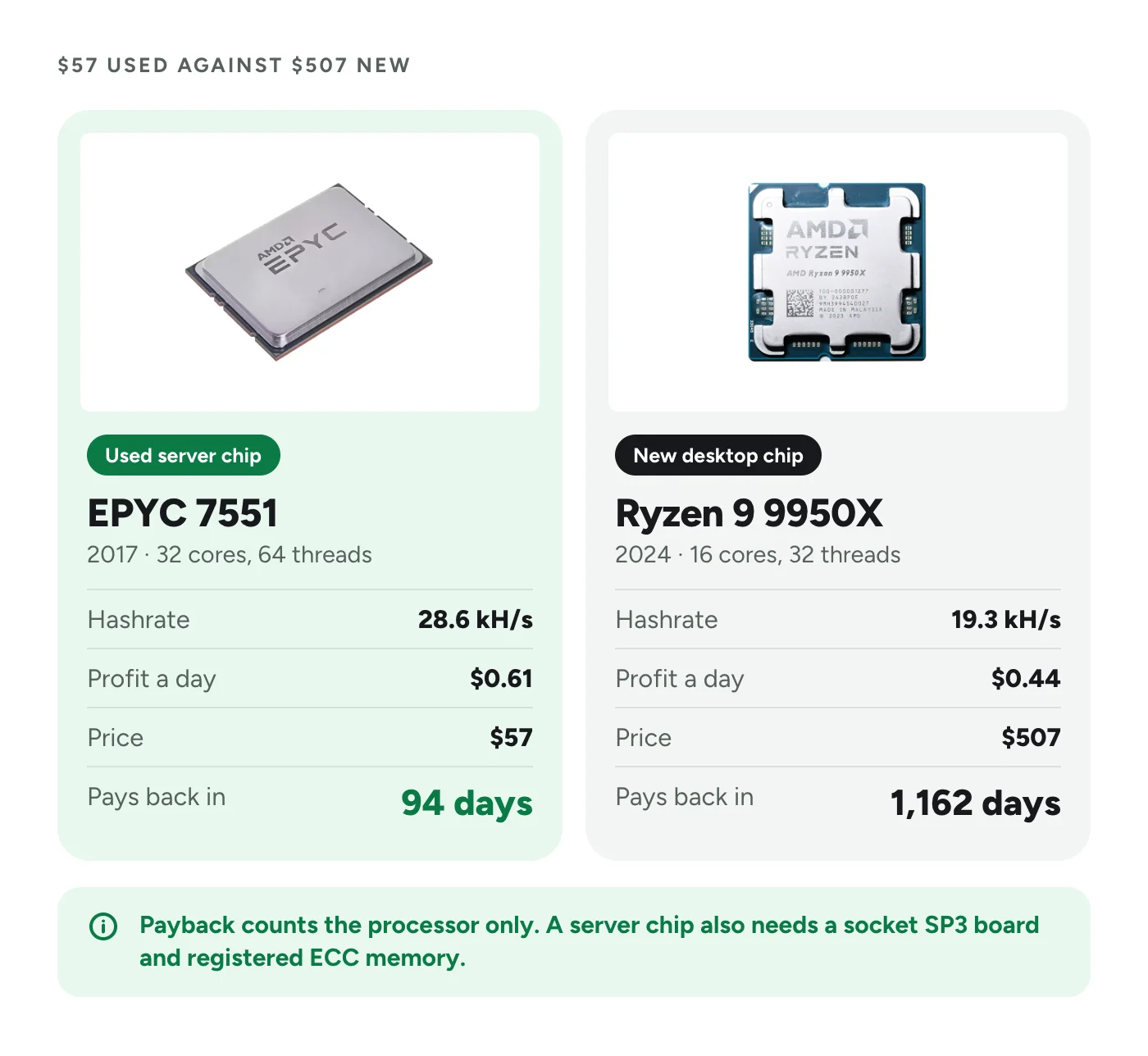
A $57 processor that out-mines a $507 Ryzen 9 9950X is the most interesting number on the whole CPU list. Two things to know before you buy one:
- The payback counts the processor only. A server chip needs a server motherboard (socket SP3 for these), registered ECC memory, a power supply and cooling. A used board and memory can cost several times the chip.
- Server chips are loud and hot when you build them like a server. At home, a tower cooler and a normal case keep them quiet.
What makes one CPU mine faster than another?
Cache makes the biggest difference, then cores, then memory. Clock speed matters less than most people expect.
- L3 cache. RandomX needs about 2 MB of L3 cache for each mining thread. A chip with 32 MB of L3 runs about 16 threads well, whatever its core count says. The X3D chips, with stacked extra cache and lower clocks, do well too: the Ryzen 9 7950X3D mines faster than the Ryzen 9 9950X on 70 W less.
- Cores. More cores help as long as there is cache to feed them. This is where 64-core EPYC chips run away from desktops.
- Memory. Use two (or more) sticks so the memory runs in dual channel. One stick can cost a large part of your hashrate.
- Huge pages. Letting the miner use large memory pages is the single biggest free speed-up; the XMRig documentation puts the gain at up to 50% (XMRig huge pages). On Windows, run the miner once as administrator; on Linux it is one line of system settings.
Power is the last lever. Most Ryzen and EPYC chips mine nearly as fast with a lower power limit, so a few minutes in the BIOS can cut the electricity bill without cutting the hashrate much.
How do you start CPU mining in 20 minutes?
You need a Monero wallet, a mining program and a pool. The common setup:
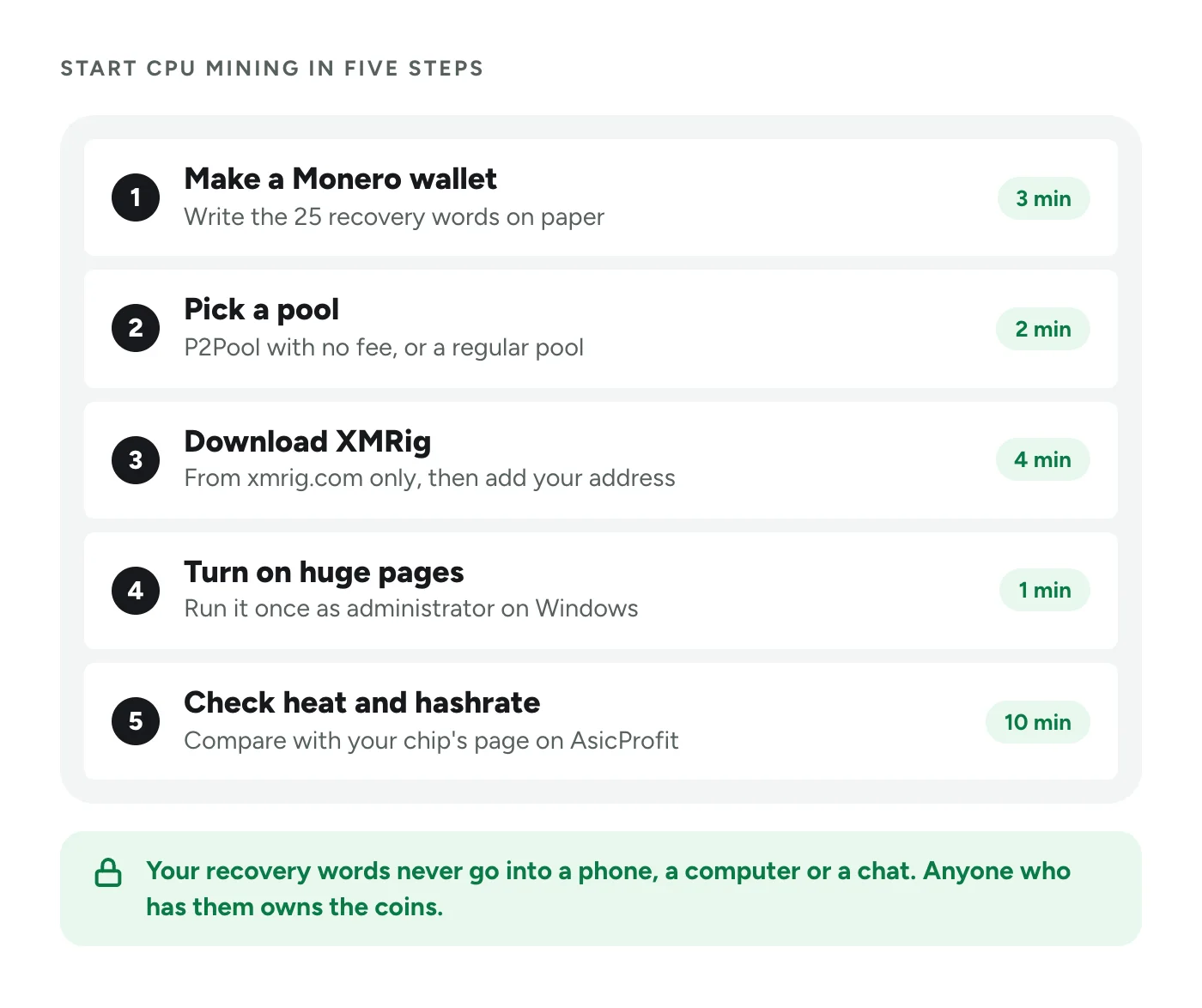
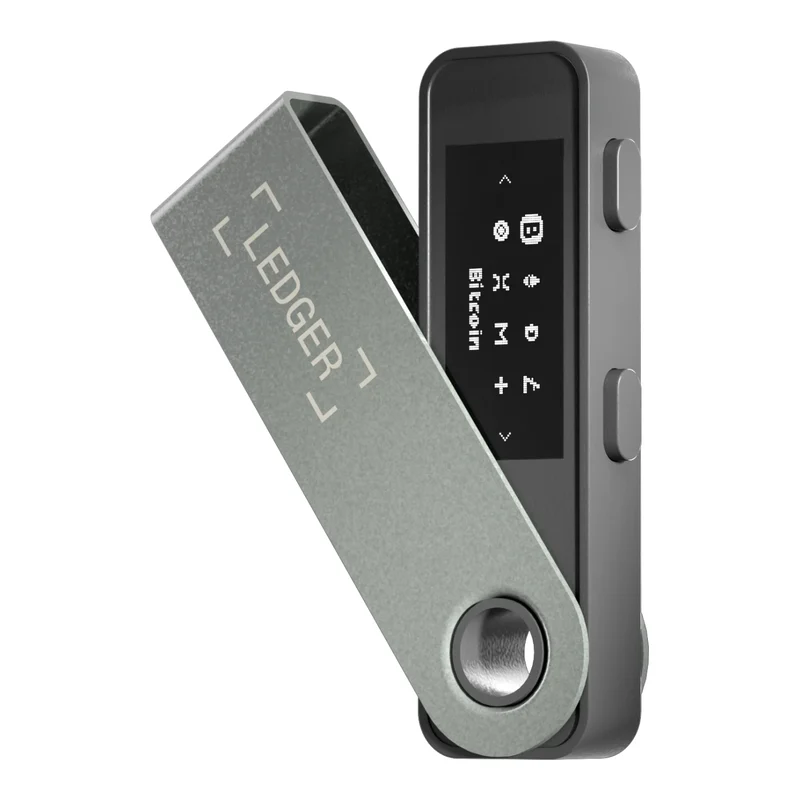
- Make a wallet. Install the official Monero wallet from getmonero.org or a hardware wallet that supports Monero, and write the 25 recovery words on paper. Our hardware wallet guide explains why paper and never a screenshot.
- Pick a pool. A pool pays you small amounts often instead of waiting for you to find a whole block. P2Pool is the decentralised choice with no pool fee; a regular pool is simpler to set up.
- Download XMRig from its official site, xmrig.com, never from a link in a video or chat. Put your wallet address and the pool address in its config.
- Turn on huge pages and start it. The first minute is slower while it builds the 2 GB dataset.
- Check temperatures and the hashrate after ten minutes, then compare the hashrate with your chip's page on AsicProfit. If it is far lower, it is usually one memory stick or huge pages switched off.
Your own figures, with your power price and your hashrate, go in the CPU mining calculator.
What are the downsides of CPU mining?
The downsides are small money at home, some practical friction, and the usual crypto price risk.
- Antivirus software flags miners. XMRig is open source, but the same program is used by malware that mines on hacked computers, so Windows Defender and others quarantine it. You will need to allow it, which is another reason to download it only from the official site.
- Laptops are a bad idea. They are built for short bursts, not hours at full load: the fan wears out, the battery ages and the chip throttles.
- Fewer exchanges list Monero. Several large exchanges dropped XMR because of its privacy features, so check where you can sell before you mine a lot of it.
- Profit moves every day. It follows the Monero price and the network difficulty. The figures in this post are from 27 Nov 2026; the CPU list updates them every 15 minutes.
- Never mine on machines you don't own. Work computers, school computers and rented cloud servers usually forbid it in their terms, and cloud providers close accounts for it.
FAQ
Is CPU mining still profitable in 2026?
Yes, for most modern processors at normal power prices: on 27 Nov 2026, 287 of the 318 processors on AsicProfit earn more than their electricity costs at $0.05/kWh. A desktop chip makes cents a day; a 64-core server chip makes a few dollars.
What is the best CPU for mining?
By profit a day it is the AMD EPYC 9575F, at $3.62 a day on 27 Nov 2026. By how fast it pays for itself it is a used AMD EPYC 7551, which costs $57 and earns it back in about 94 days, before the cost of the motherboard and memory.
What coin do CPUs mine?
Mostly Monero (XMR), on the RandomX algorithm. A few smaller coins use RandomX or a variant of it too, such as Zephyr, Salvium and Quantum Resistant Ledger, and the same processor can switch between them.
Is AMD or Intel better for CPU mining?
AMD leads on RandomX today, because Ryzen and EPYC chips carry more L3 cache per core. The best Intel chip on AsicProfit's list, the Core Ultra 7 265K, earns $0.26 a day; several AMD desktop chips at the same price earn more.
Can I mine on my gaming PC while I use it?
You can, but set the miner to use fewer threads or pause it while you play: RandomX uses the cache your game needs too. Many people simply run it overnight.
Does CPU mining damage the processor?
Not when it is cooled properly. A processor is built to run at full load for years; heat is what wears hardware out, so keep it under about 80 °C and clean the dust out of the cooler.
Which miner pays off at your power price?
Compare the live profit of every ASIC miner, then buy from verified sellers or find hosting.
Keep reading
All articles →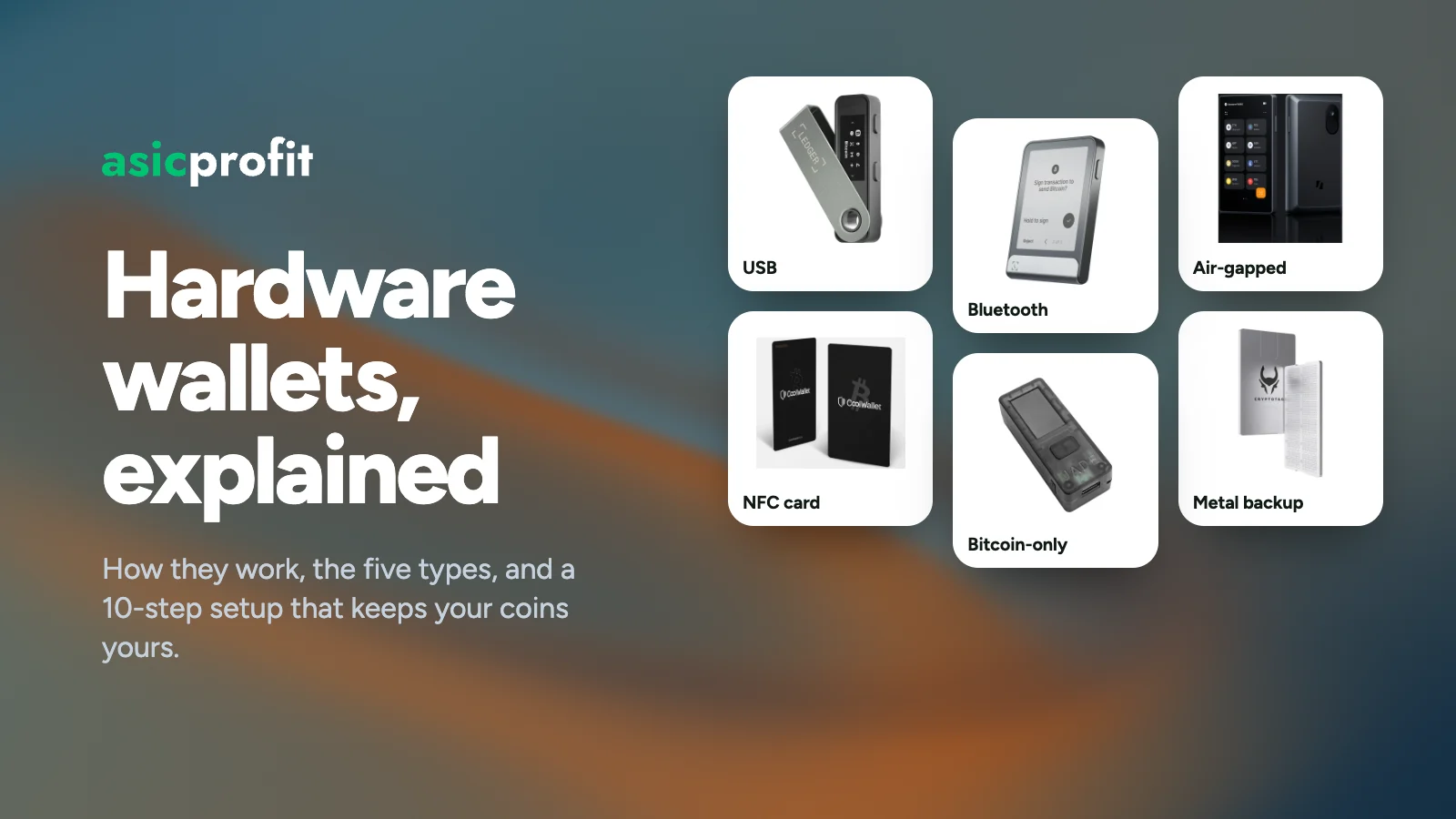
What Is a Hardware Wallet? How It Works, the Types, and an Easy Setup Guide
A hardware wallet keeps your crypto keys on a small device that never puts them online. How it works, USB vs Bluetooth vs air-gapped vs card wallets, and a step-by-step setup.

The AsicProfit App: Free Mining Calculators and Miner Prices on Android and iPhone
AsicProfit now installs on your phone like an app: free, no app store, full screen, with every mining calculator, miner price and hosting rate one tap away.

How to Use ASICProfit for ASIC Mining
Learn how to use ASICProfit to compare ASIC miners, calculate profitability, track difficulty, evaluate hosting and make better mining decisions.