




















 FB
 BC2
 BCH
 BSV
 DGB
 VTC
 GRS
 XEC
 ETHW
 HNS
 LKY
 DINGO
 LBC
 SC
 RXD
Solo and Lucky Miners: A Bitcoin Lottery Ticket on Your Desk
A $45 miner the size of a phone can find a whole Bitcoin block worth $187,872 at current market value, if it gets lucky. What solo and lucky miners are, what the odds really are, and how to set one up in ten minutes.

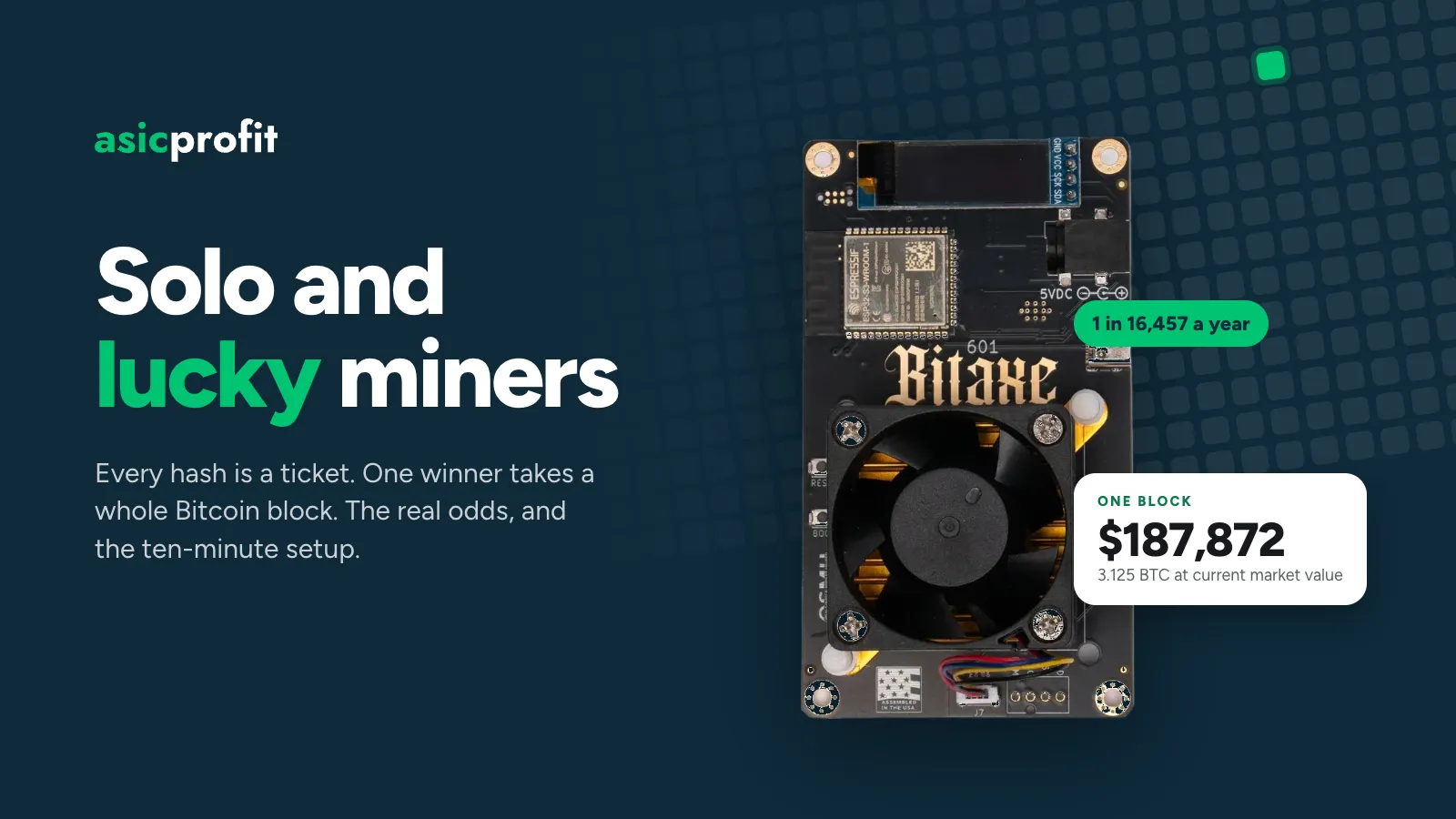
Solo or lucky miners are small Bitcoin ASICs, like the Bitaxe, NerdQaxe and Lucky Miner, that mine alone instead of in a pool: they earn nothing most days, but if one finds a block the whole reward is yours. On 27 Nov 2026 a block is worth 3.125 BTC, about $187,872 at current market value. The odds are long: a Bitaxe Gamma (1.2 TH/s, 17 W) has about a 1 in 16,457 chance a year, a NerdOCTAxe (12 TH/s) about 1 in 1,646. AsicProfit lists 23 of them with live offers, from $45. Setup takes about ten minutes: power it, join its Wi-Fi, give it your own Wi-Fi, then point it at a solo pool with your Bitcoin address. Buy one for the fun, the learning and the small chance, not for income.
What is a solo or lucky miner?
A solo or lucky miner is a small Bitcoin ASIC, about the size of a phone, built to mine on its own and try for a whole block instead of sharing a pool's steady payouts. The best known is the Bitaxe, an open-source design that runs on a few watts and a USB-C or barrel power supply. Others build on it: the NerdQaxe and NerdOCTAxe put four or eight of the same chips on one board, and Lucky Miner sells finished, boxed versions. AsicProfit lists 23 of them with live offers on 27 Nov 2026, from $45, under Solo / lucky miners.
"Lucky" is the honest word. A machine this small will almost never find a block. When it does, the full block reward goes to the address you set, with nobody to share it with.
What does a solo miner actually do?
A solo miner does exactly what a 3,500 W Antminer does, only far less of it: it hashes candidate Bitcoin blocks, trillions of times a second, looking for one whose hash is low enough to be valid. Each hash is a lottery ticket. Almost every one misses, and a miss costs nothing but the electricity behind it.
The device talks to a solo pool, which hands it a block template with your Bitcoin address already written into the reward. When a hash meets the network's difficulty (145.1 trillion on 27 Nov 2026), the pool broadcasts the block and the reward, 3.125 BTC plus the fees in that block, lands on your address. On 27 Nov 2026 that is about $187,872 at current market value, before fees. The coins can be spent after 100 more blocks, about 17 hours.
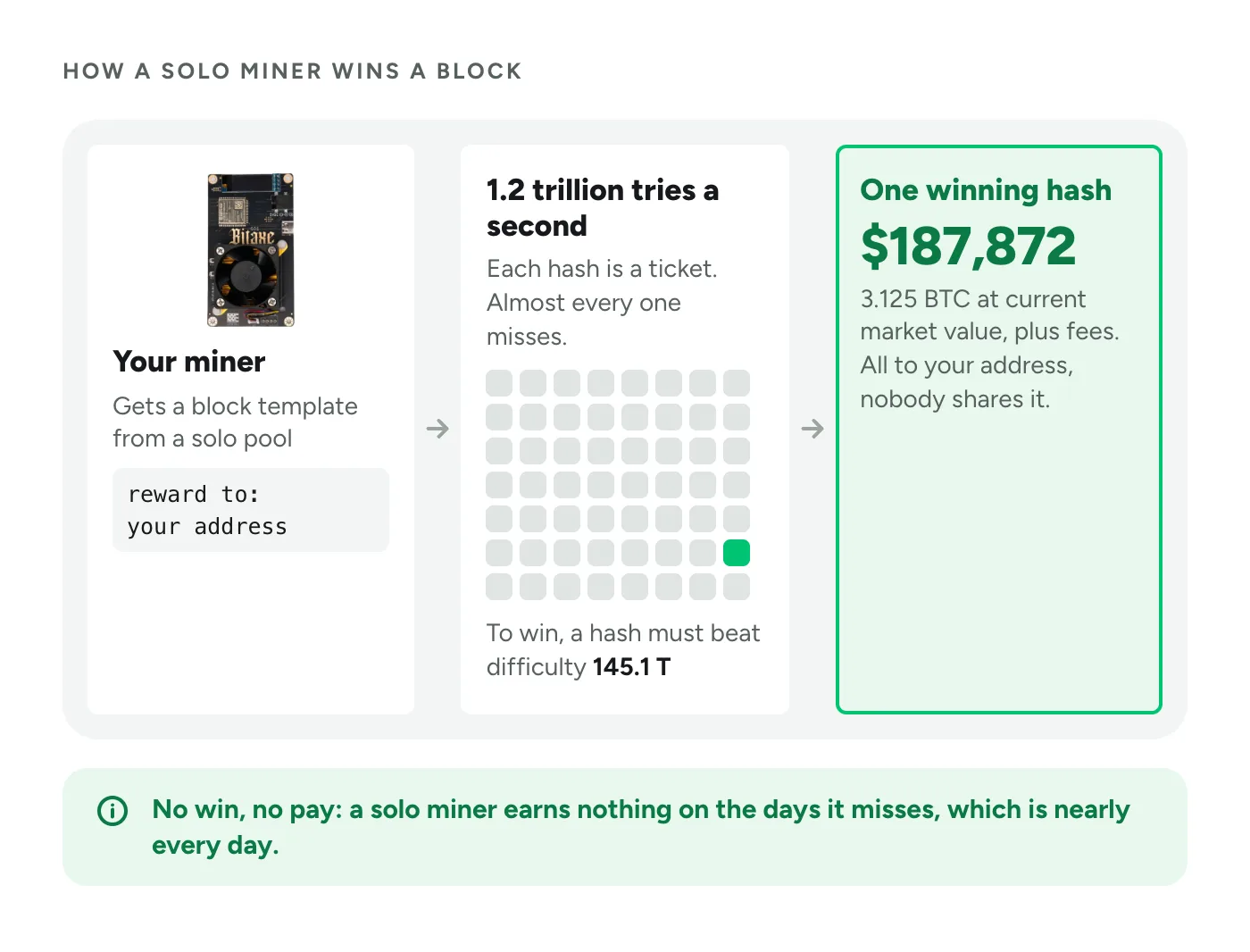
Most solo miners show a "best difficulty" on their screen: the closest any of its hashes has come to a winning one. Watching that number climb is half the fun. To win, it has to pass the network difficulty.
What are the odds of a solo miner finding a block?
The odds are long and depend only on hashrate: a Bitaxe Gamma at 1.2 TH/s has about a 1 in 16,457 chance of finding a block in a year at today's difficulty, and a NerdOCTAxe at 12 TH/s about 1 in 1,646. Doubling the hashrate doubles the chance. Nothing else, not luck streaks and not time already spent mining, changes it: every block is a fresh draw.
| Miner | Chance in a year | Power a year at $0.15/kWh ($) |
|---|---|---|
| Bitaxe Gamma 601 1.2 TH/s, 17 W | 1 in 16,457 | 22 |
| Bitaxe Supra Hex 701 4.2 TH/s, 75 W | 1 in 4,702 | 99 |
| Lucky Miner LV08 4.5 TH/s, 120 W | 1 in 4,389 | 158 |
| NerdQaxe++ 4.8 TH/s, 76 W | 1 in 4,115 | 100 |
| NerdOCTAxe Rev 3.1 12 TH/s, 240 W | 1 in 1,646 | 316 |
| Antminer S21 XP 270 TH/s, 3,645 W | 1 in 74 | 4,793 |
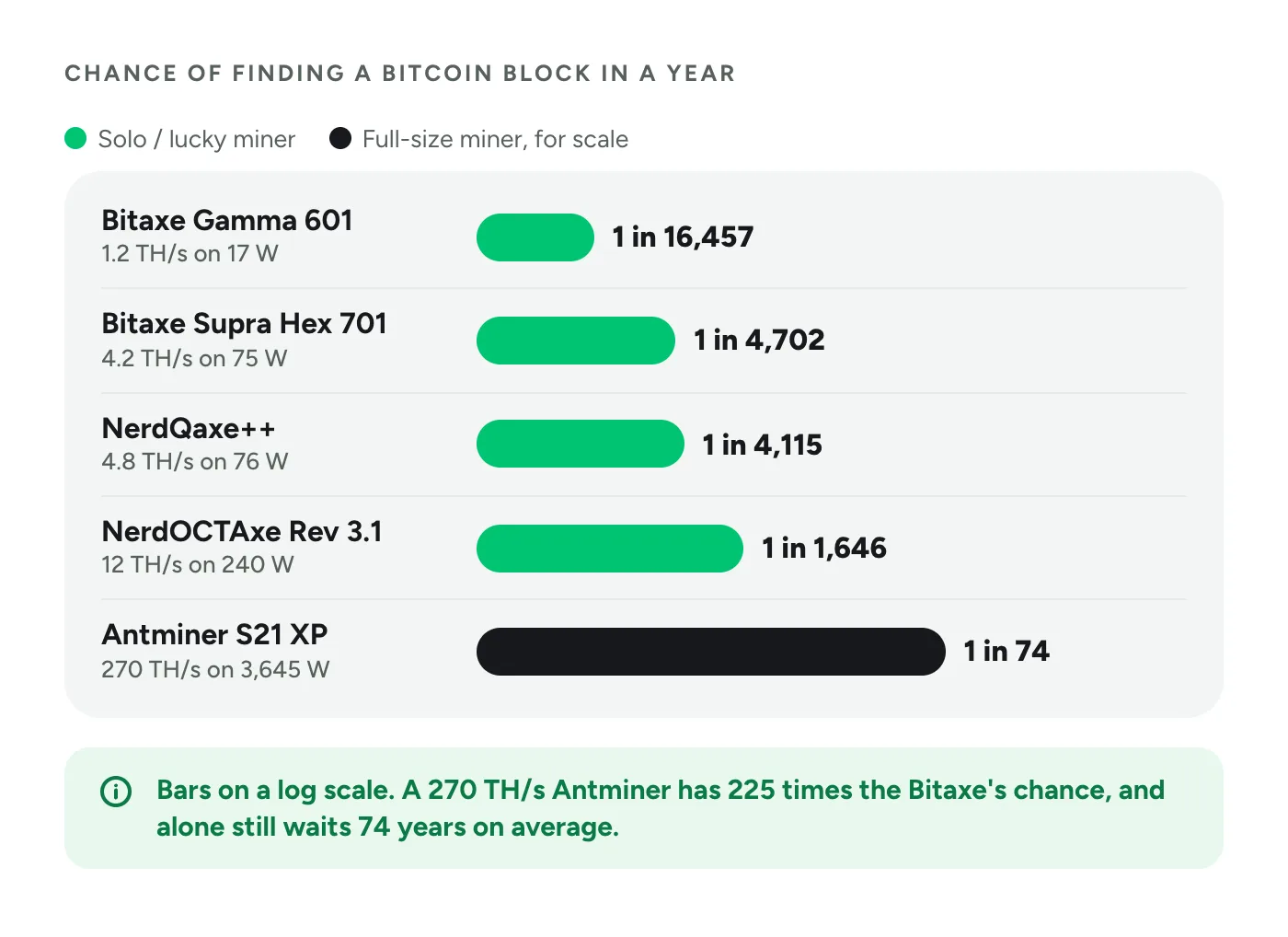
Even a full-size Antminer S21 XP, on its own, would wait 74 years on average. That is why nearly all of Bitcoin's hashrate mines in pools. Try any miner, or your own hashrate, in the solo mining odds calculator.
Which solo miners can you buy?
Most solo miners for sale are Bitaxe designs or built on them, and they come in three sizes: single-chip boards around 1 TH/s, four-chip boards around 4 to 6 TH/s, and eight-chip boards around 10 to 12 TH/s. These are the most-listed ones on AsicProfit on 27 Nov 2026, with the lowest live price.
| Miner | TH/s | Watts | From ($) |
|---|---|---|---|
| Bitaxe Gamma 601 | 1.2 | 17 | 45 |
| Lucky Miner LV07 | 1.0 | 30 | 53 |
| Lucky Miner LV08 | 4.5 | 120 | 130 |
| NerdQaxe++ | 4.8 | 76 | 145 |
| Bitaxe Supra Hex 701 | 4.2 | 75 | 154 |
| NerdQaxe++ Rev 6.1 | 6.0 | 103 | 168 |
| Braiins BMM101 | 1.0 | 40 | 198 |
| NerdOCTAxe Rev 3.1 | 12 | 240 | 250 |
Watts per terahash is the number to compare. A Bitaxe Gamma uses about 14 W per TH/s and a NerdQaxe++ about 16, while a Lucky Miner LV08 uses about 27. Over a year that is the difference between $100 and $158 of power for nearly the same chance.
Bitcoin is not the only lottery. The PlebSource Hammer Miner does the same for Scrypt, so it tries for Litecoin and Dogecoin blocks at 105 MH/s on 25 W, from $239.
Should a small miner mine solo or in a pool?
Mine solo if you want the chance at a whole block; mine in a pool if you want small, steady payouts. A pool pays a Bitaxe Gamma about $11 of bitcoin a year at today's difficulty and price, which is less than the $22 of power it uses at $0.15/kWh. On its own, a miner this small does not pay for its electricity either way, so the only reason to buy one for money is the jackpot.
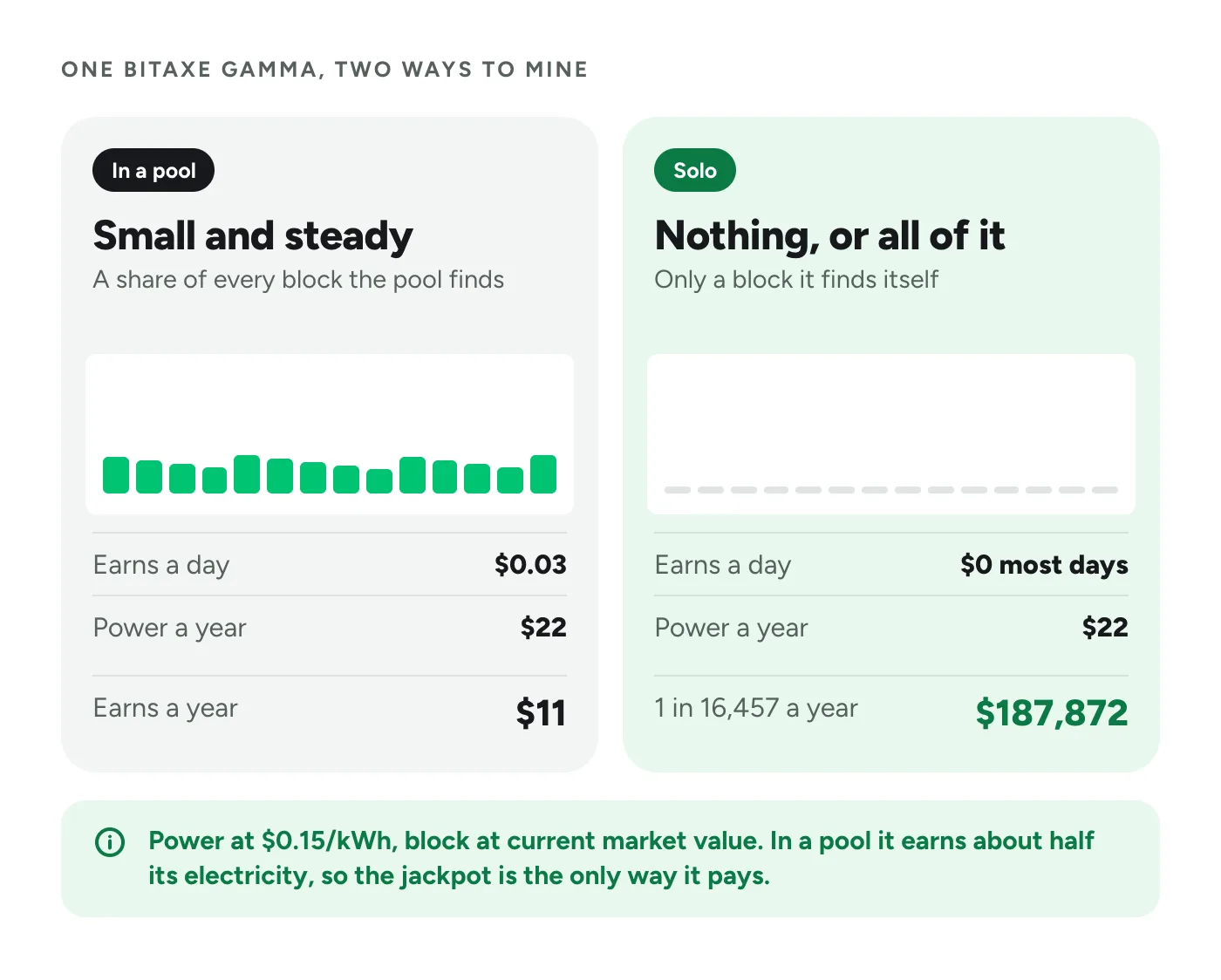
Solo pools keep a small cut of a found block for running the service, and some charge nothing. The best-known ones, like solo.ckpool.org and public-pool.io, are on AsicProfit's mining pools page. Public Pool is open source, so you can also run it yourself on a home server and keep the whole reward.
How do you set up a solo miner?
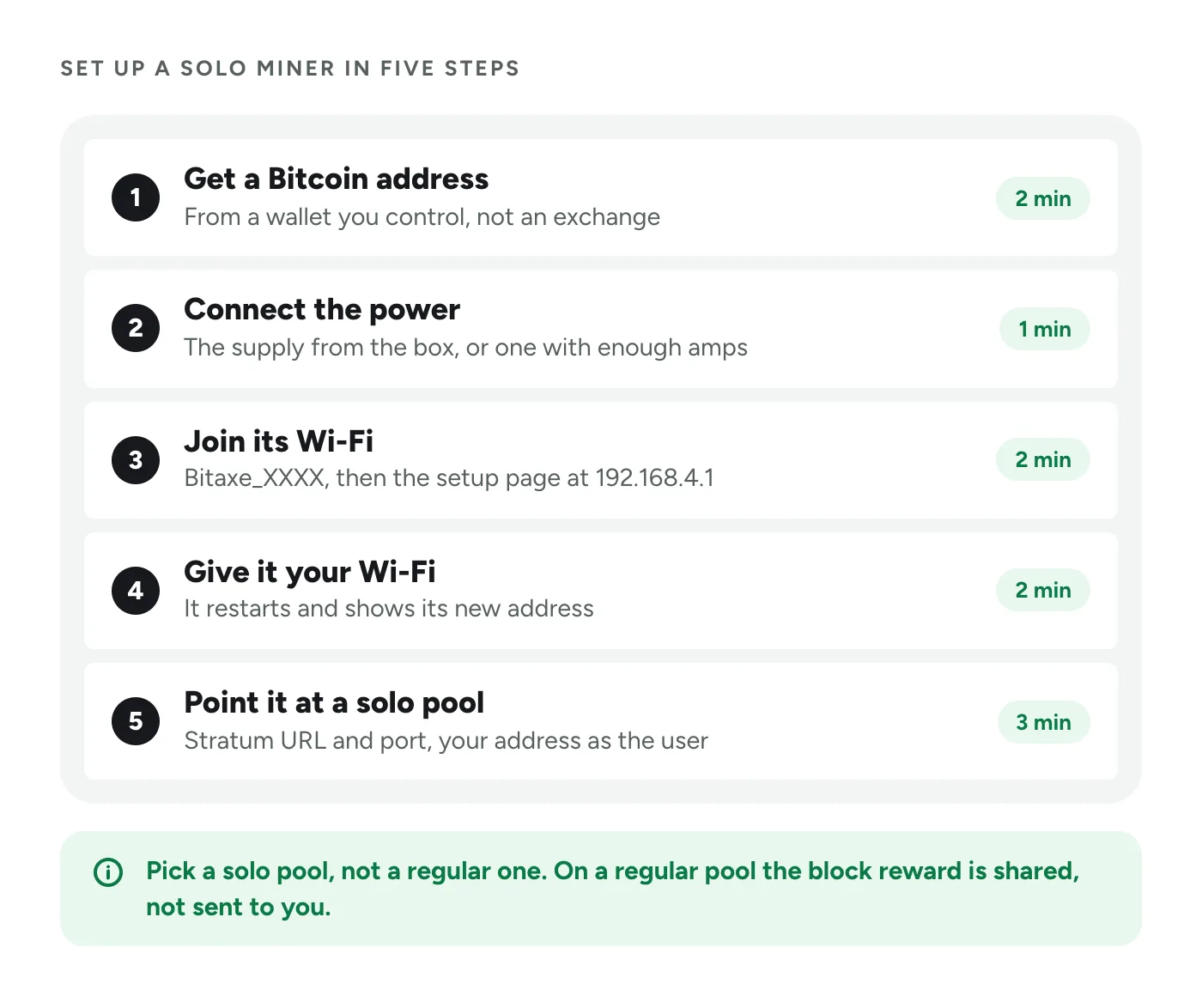
Setting up a Bitaxe-style miner takes about ten minutes, and you need only a Bitcoin address, your Wi-Fi password and a power supply. Lucky Miner and NerdQaxe devices use the same firmware design, called AxeOS, so the steps are the same.
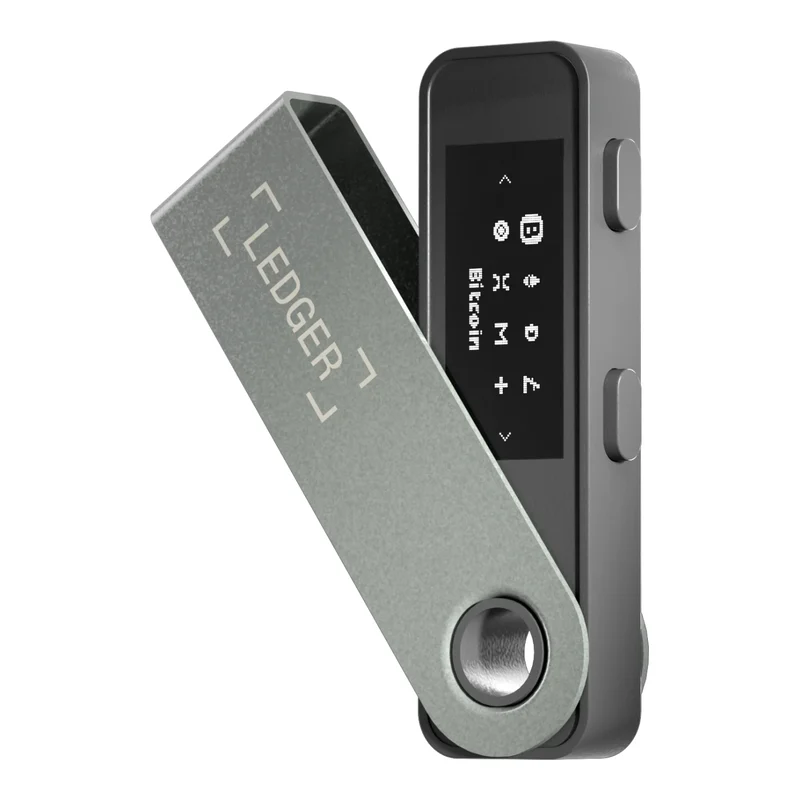
- Get a Bitcoin address. Use a wallet you control, ideally a hardware wallet. Avoid an exchange deposit address: a block reward is a special transaction that not every exchange credits.
- Connect the power. Use the power supply that came with it, or one with at least the amps the maker lists. A weak supply is the most common cause of a miner that keeps restarting.
- Join its Wi-Fi. On first start the miner opens its own Wi-Fi network, named like Bitaxe_XXXX. Connect to it with your phone and a setup page opens. If it doesn't, go to 192.168.4.1.
- Give it your Wi-Fi. Enter your home network name and password and save. The miner restarts, joins your network and shows its new address on its small screen.
- Point it at a solo pool. Open that address in a browser on the same network. Under Settings, set the stratum URL and port of your solo pool, your Bitcoin address as the user (add a dot and a name, like .desk, to tell several miners apart) and "x" as the password. Save and restart.
Within a minute the dashboard shows hashrate, shares sent to the pool and the chip's temperature. Your address also appears on the solo pool's own stats page, so you can check from anywhere that it is still running.
How do you keep a solo miner running well?
Keep the chip cool, keep the firmware up to date and leave the clock speed alone until it has run for a few days. AxeOS shows the chip temperature; under about 65 °C is comfortable, and the fan curve handles most rooms. Give it a few centimetres of space on every side and keep it out of direct sunlight.
- Overclocking raises the frequency and voltage in the dashboard for more hashrate. It also raises power use and heat faster than it raises the chance, so check watts per TH/s after every change.
- Firmware updates install from the same dashboard. Download them only from the project's own release page.
- Noise is low: about 35 to 45 dB for the models above, closer to a quiet computer than to a full-size miner. The eight-chip boards are the loudest.
- Heat equals the power it uses. A 17 W Bitaxe is like a small light bulb; a 240 W NerdOCTAxe warms a small room a little.
Who should buy a solo miner?
Buy a solo miner if you want to learn how Bitcoin mining works, enjoy a long-shot chance at a block, and are happy to pay a few dollars a month in power for that. It is the cheapest way to run real mining hardware at home, quietly, on a desk.
Don't buy one as an investment. On average it earns less than its electricity costs, in a pool or solo, and the price of the device never comes back unless it wins. If income is the goal, compare full-size miners and hosting on the miners list instead.
FAQ
Has a small solo miner ever found a Bitcoin block?
Yes. Solo pools publish every block they find, and every so often one goes to a miner with a very small setup. Those wins are real but rare: for each one, a great many small miners mined all year and found nothing.
How long does a Bitaxe take to find a block?
On average about 16,457 years at 27 Nov 2026 difficulty, but that average says little about any one year. The chance is about 1 in 16,457 every year, and it could happen tomorrow or never.
Is a solo miner profitable?
No, not on average. A Bitaxe Gamma would earn about $11 a year in a pool and uses about $22 of power at $0.15/kWh. It only pays off if it finds a block.
What is the difference between a NerdMiner and a NerdQaxe?
The original NerdMiner is a tiny hobby board that mines on an ordinary microcontroller at tens of thousands of hashes a second, as a toy. A NerdQaxe uses real Bitcoin mining chips, four of them, and runs at about 4.8 to 6 TH/s, roughly 100 million times faster.
Do I need a computer running to solo mine?
No. The miner connects to the pool over Wi-Fi on its own. You need a computer or phone only to set it up and to look at the dashboard.
Can I mine other coins solo?
Yes. A SHA-256 miner can also try for blocks of other SHA-256 coins on solo pools that support them, and Scrypt solo miners like the PlebSource Hammer Miner try for Litecoin and Dogecoin. The odds depend on each coin's own difficulty.
Which miner pays off at your power price?
Compare the live profit of every ASIC miner, then buy from verified sellers or find hosting.
Keep reading
All articles →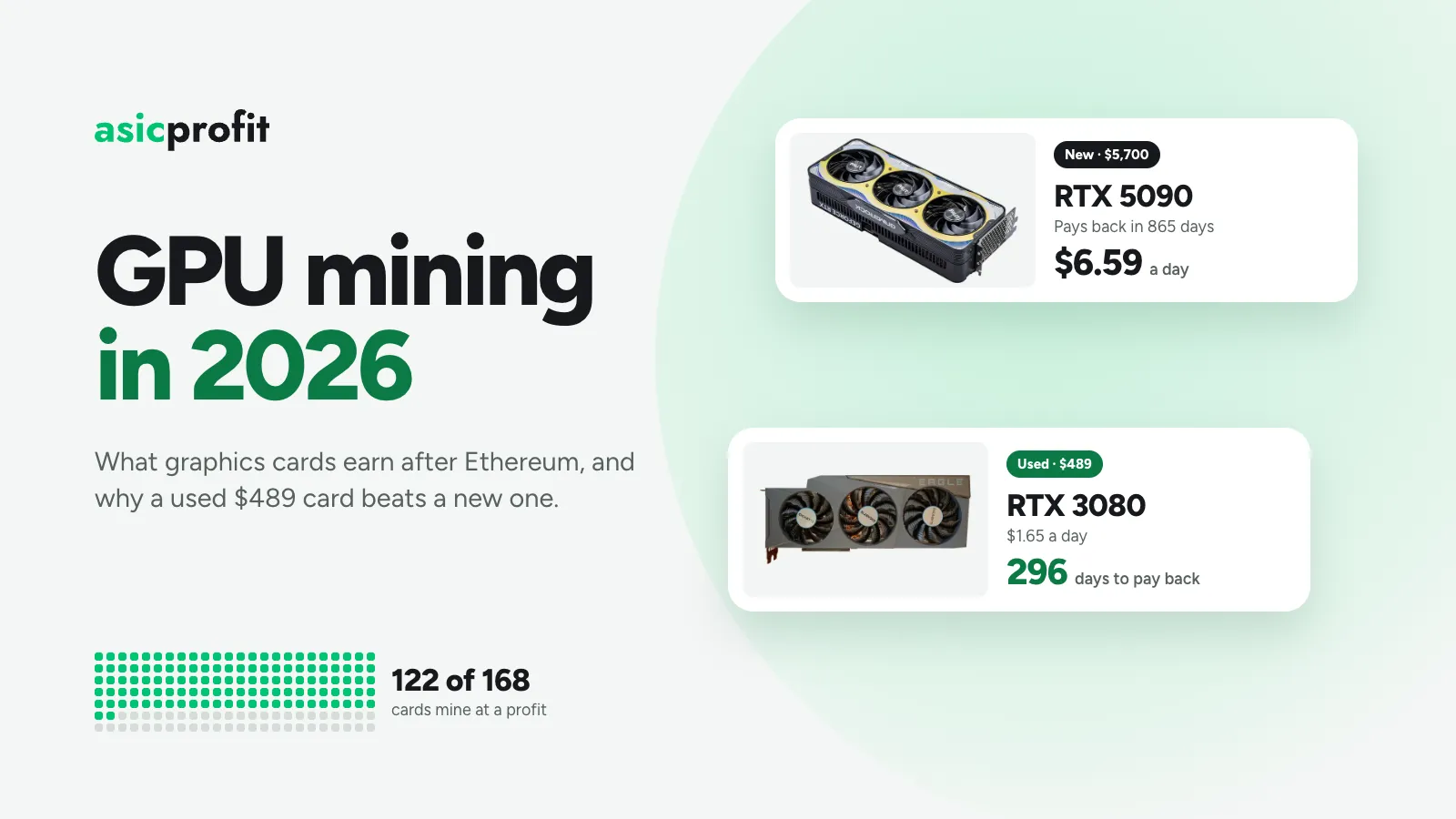
GPU Mining in 2026: What Graphics Cards Earn After Ethereum
Ethereum left in 2022, but a new coin brought graphics cards back in 2026. What GPUs earn today, which coins they mine, and why a $489 RTX 3080 beats a $5,700 RTX 5090 on payback.
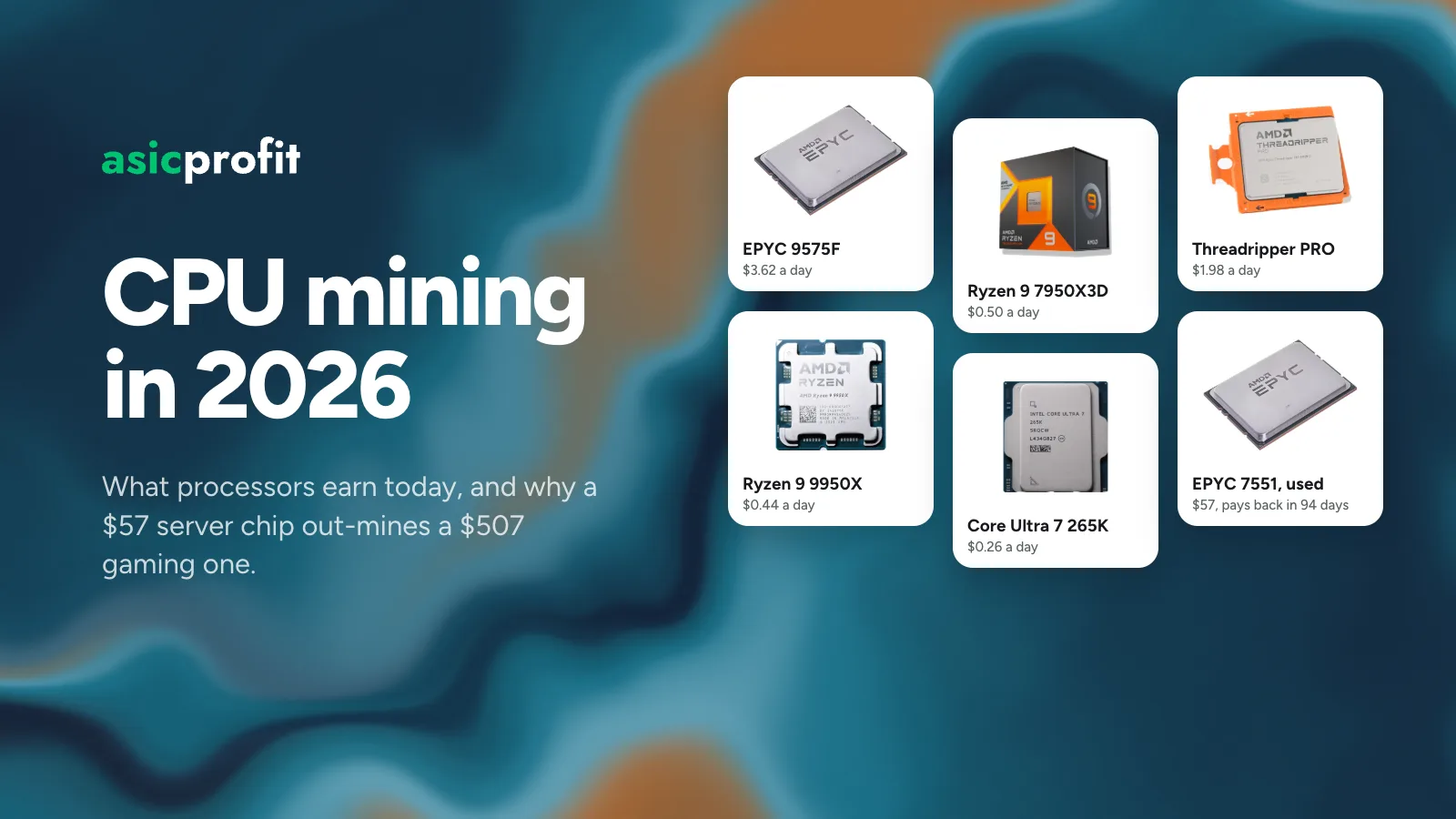
CPU Mining in 2026: The Last Place Your Own Computer Can Still Mine
Bitcoin belongs to ASICs and GPUs lost Ethereum, but a processor still mines Monero on equal terms. What CPUs earn today, why old server chips beat new gaming ones, and how to start in 20 minutes.
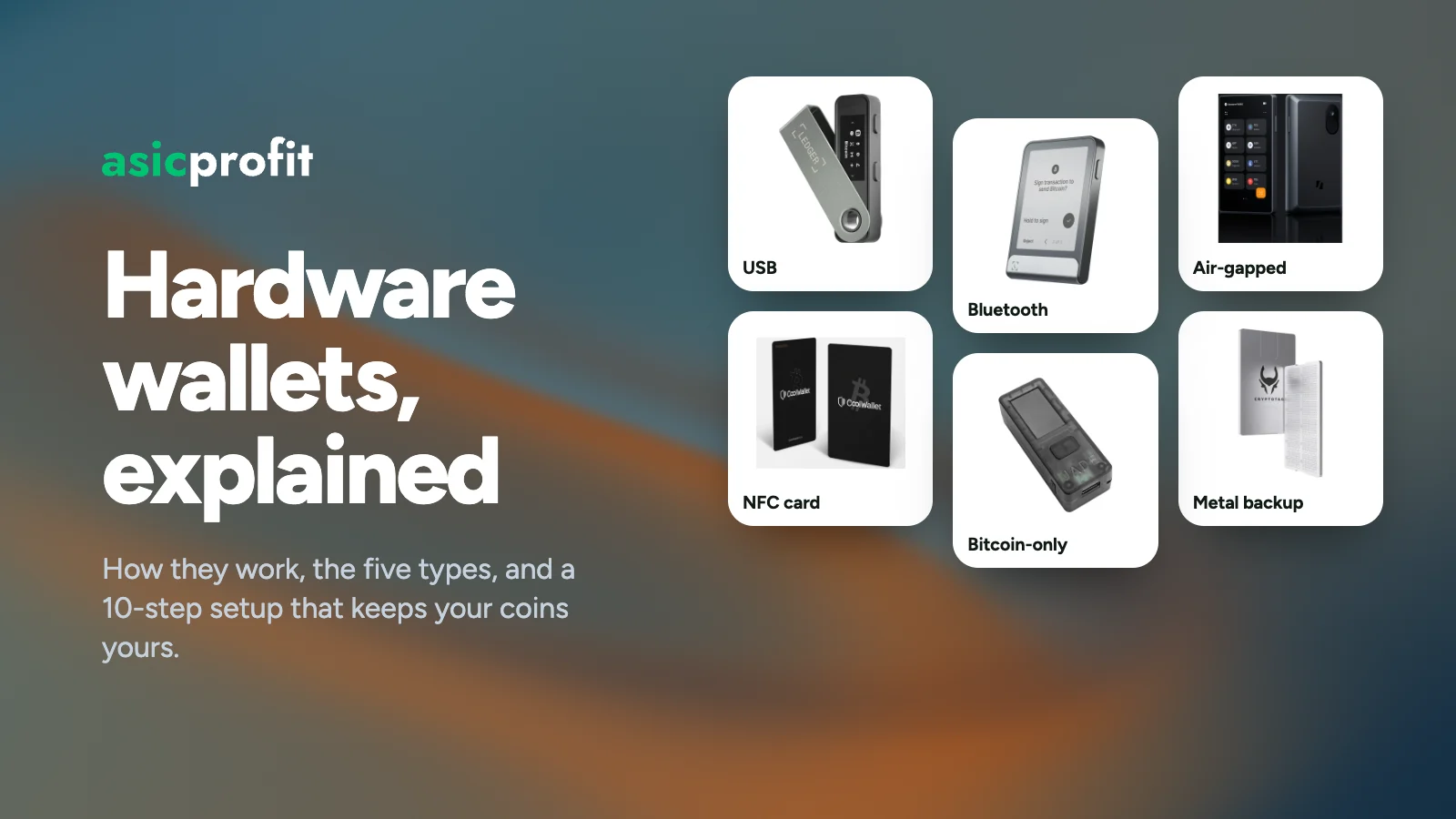
What Is a Hardware Wallet? How It Works, the Types, and an Easy Setup Guide
A hardware wallet keeps your crypto keys on a small device that never puts them online. How it works, USB vs Bluetooth vs air-gapped vs card wallets, and a step-by-step setup.